From Grandma's Kitchen to Global Fame: Pune's Home Chefs Are Putting Maharashtrian Food on the World Map
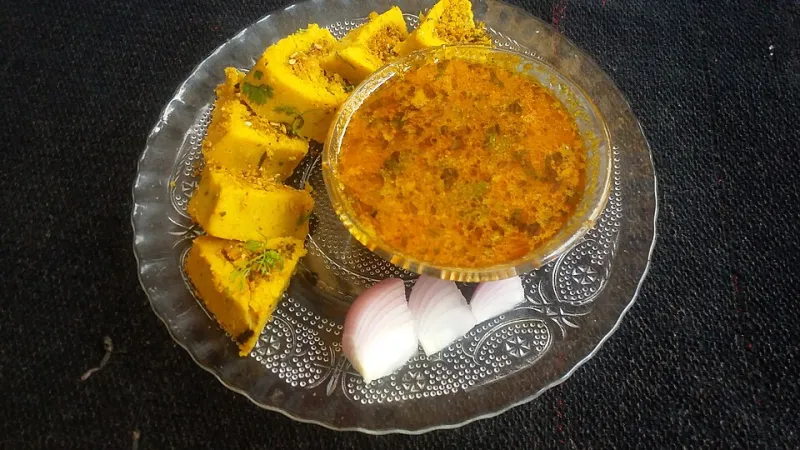
Photo: Archana Nalbalwar, CC BY-SA 4.0, via Wikimedia Commons
If you ask most Americans what they know about Indian food, you'll get a pretty predictable answer: butter chicken, tikka masala, maybe some naan. What you almost certainly won't hear is thalipeeth, sabudana khichdi, or bharli vangi — the kind of deeply regional Maharashtrian dishes that have quietly anchored family tables in Pune for generations. But that's starting to change, and the people driving the shift aren't restaurateurs or food network personalities. They're home cooks with Instagram accounts, WhatsApp order lines, and a fierce commitment to keeping their grandmothers' recipes alive.
Pune has always had a complicated relationship with its own culinary identity. Overshadowed by Mumbai's flashier food scene to the west and the South Indian dominance of the broader "Indian food" conversation internationally, Maharashtrian cuisine has historically flown under the radar. But a growing community of home-based food entrepreneurs in the city is quietly — and sometimes loudly — changing that narrative.
The Rise of the Micro-Kitchen
Walk through neighborhoods like Kothrud, Deccan, or Baner on any given weekend morning and you'll notice something: the smell of varan-bhaat simmering, the sound of stone grinders working through soaked lentils, and little handwritten signs on apartment doors advertising weekend tasting menus. This is Pune's micro-restaurant movement, and it's more organized than it looks.
Chefs like Sneha Deshpande, who runs her home kitchen operation out of a two-bedroom apartment in Shivajinagar, started small — just feeding neighbors during the pandemic lockdowns. "I had my mother's handwritten recipe notebooks and too much time," she laughs. "I posted one photo of my modak on Instagram and got 200 messages overnight." Today, Sneha runs weekend tasting sessions for groups of up to 12 people, with a waitlist that stretches months out. Roughly 30 percent of her recent guests have been international visitors — a number that genuinely surprised her.
What Sneha and chefs like her are doing isn't just cooking. It's storytelling. Each dish comes with context: the village it originated from, the festival it's tied to, the family argument about whether you add coconut before or after the tempering. For food-curious Americans used to eating Indian food without any of that backstory, it's a revelation.
Why American Foodies Are Flying to Pune
Food tourism to India has traditionally meant Rajasthan's royal kitchens or Kerala's backwater spice routes. Pune wasn't really on that map — until recently. Food writers and culinary travelers from the US are increasingly flagging the city as a must-visit destination for anyone serious about regional Indian cooking.
Jamie Kowalski, a food blogger from Portland, Oregon, spent three weeks in Pune last spring specifically to eat. "I'd read a piece about home-chef supper clubs there and figured I'd check one out," he told us. "I ended up booking six different home kitchen experiences and learning to make puran poli from a 70-year-old woman who's been cooking it for fifty years. You can't get that anywhere else."
The appeal, Jamie says, isn't just the food itself — it's the access. "In the US, even at really good Indian restaurants, there's this layer of polish between you and the actual culture. In these Pune home kitchens, you're sitting at someone's dining table. Their kids are doing homework in the next room. It's completely real."
Social media has been the accelerant. Chefs like Priya Kulkarni, who documents her cooking process on YouTube and Reels with English subtitles and cultural commentary, have built followings that span continents. Her video breaking down the difference between kanda poha and the versions you'd find in other Indian states has over 400,000 views. Comments pour in from the US, UK, and Australia from people who had no idea Maharashtrian food was even a distinct category.
Modern Techniques, Ancient Recipes
What makes this movement particularly interesting is the balance these chefs are striking between innovation and preservation. This isn't fusion for fusion's sake. Nobody's putting truffle oil on their usal. But there is a thoughtful modernization happening — in presentation, in technique, and in how these dishes are communicated to outsiders.
Chef Rohan Mhatre, who trained in Europe before returning to Pune, has been running pop-up dinners that frame traditional Maharashtrian cooking through the lens of contemporary fine dining — without losing the soul of the food. "My grandmother's sol kadhi is perfect as it is," he says. "I'm not trying to improve it. I'm just trying to help someone who's never tasted it understand why it's perfect."
That distinction matters. The Pune home chef scene isn't about chasing trends or impressing food critics. It's about a genuine pride in a cuisine that's been underrepresented for too long — and a savvy understanding that the world is finally ready to pay attention.
Where to Start If You're Visiting
If you're planning a trip to Pune with food at the top of your agenda, a few tips. Most home kitchen experiences require advance booking — sometimes weeks ahead — and many operate through Instagram DMs or WhatsApp rather than formal reservation systems. That's part of the charm, but plan accordingly.
Neighborhoods like Deccan Gymkhana, FC Road, and Aundh tend to have higher concentrations of home-based food entrepreneurs. Local food walking tours, which have popped up in the last couple of years, can be a great entry point if you're not sure where to start. And if you get an invitation to a private tasting — say yes. Always say yes.
Pune's culinary scene has always been there. It just needed the right people to start telling the story. Turns out, those people were in the kitchen the whole time.